The Spectacle of the Modern Cathedral: Conformity, Agency, and the Corporate Stadium
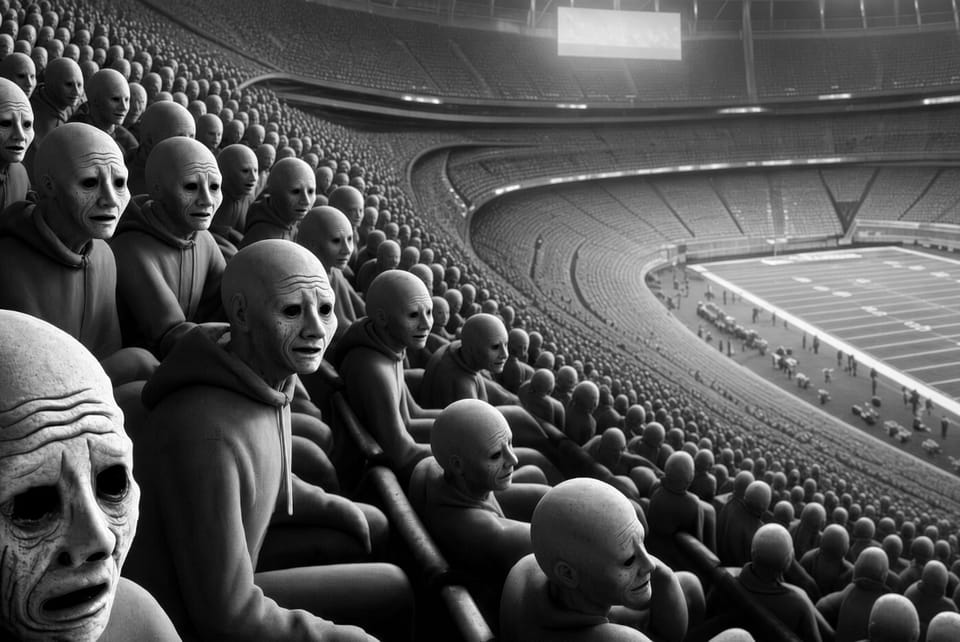
Modern mass culture has successfully engineered a secular liturgy, transforming the sports stadium into the pre-eminent cathedral of the twenty-first century. Where traditional institutions have receded, the mega-stadia have risen to take their place—massive, concrete amphitheatres where civic identity, tribal devotion, and unbridled capital converge.
The Architecture of Mass Deification
In this modern temple, the mechanics of worship are hidden in plain sight. The athletes are no longer merely participants in a game; they are elevated to the status of infallible idols, bearing the projected hopes, anxieties, and collective longings of tens of thousands.
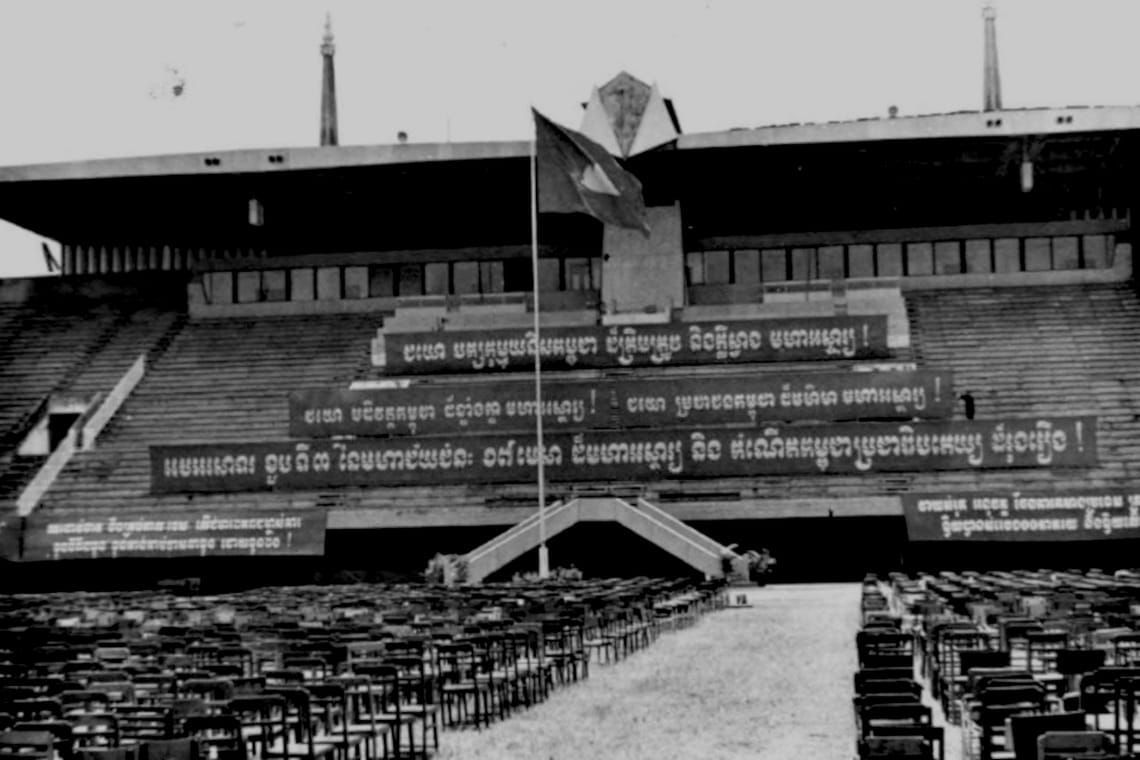
The supporters gather not as autonomous individuals, but as an amalgamated congregation, bound together by uniforms, synchronised chants, and an unwritten code of absolute orthodoxy.
The chant of the fan in the stands is just a civilian echo of the state slogan. The total surrender of the self, the demand for absolute triumph, and the desperate prayer that the players remain "prosperous and magnificent" so that the collective identity can bask in their reflected power—it’s the exact same psychological machinery.
This environment operates as an efficient engine of mass conformity. By offering a simulated sense of belonging and transcendent purpose, the spectacle effectively strips away individual agency. The fan willingly surrenders critical distance, trading personal autonomy for the intoxicating, low-risk rush of collective absolution.
Capitalising on the Tribal Impulse
Beneath the veneer of passion and community lies a hyper-commercialised machinery. The modern stadium is designed to monetise the human desire for connection and meaning. Every element—from corporate sponsorships and broadcast rights to tiered pricing and merchandise—converts psychological investment into revenue.
Look at the economics of it. Football players are some of the most well-paid people on earth, sitting at the absolute pinnacle of corporate asset valuation.
When this dynamic is critically examined, the reaction from the wider culture is often hostile. To question the sanctity of the match or the moral purity of the institution is treated not as a philosophical disagreement, but as an act of heresy. Because the modern crowd relies on shared participation to validate its own illusions, a refusal to bow before the altar of mass entertainment is viewed as a threat.
Reclaiming Autonomous Thought
Stepping outside this loop requires a deliberate rejection of manufactured belonging. True diversity of thought cannot exist within a system that demands uniform emotional compliance. By recognising the stadium for what it truly is—an enclosure designed to manage populations through spectacle—we clear the ground for genuine, unscripted human agency, far away from the floodlights and the corporate tithe.
Member discussion